




Introduction
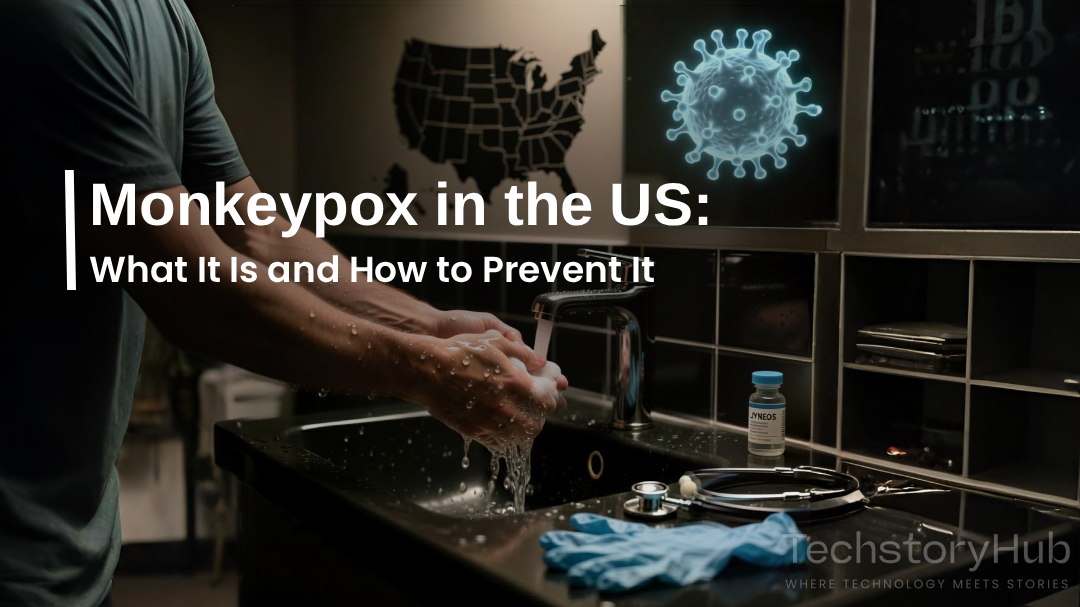
Monkeypox(M-Pox) is a viral infection that has gained attention in the United States over the past few years. While it’s not as contagious as COVID-19, it can still spread through close contact. Knowing how monkeypox spreads, its symptoms, and how to prevent it is essential for everyone’s safety. This article explains everything you need to know in simple, clear terms.
What Is Monkeypox?
Origin and Nature of the Virus
M-pox is a viral disease caused by the monkeypox virus, part of the same family as smallpox. It was first discovered in 1958, and the first human case was recorded in 1970. Although once limited to certain regions in Africa, the virus has spread to several countries, including the US.
How It Spreads
M-pox spreads through close, personal contact. This includes:
- Touching rashes or body fluids of someone infected
- Sharing bedding, towels, or clothing
- Respiratory droplets from prolonged face-to-face contact
- Touching contaminated surfaces or objects
Monkeypox Symptoms to Watch For
Early Symptoms
Early symptoms often appear within 3 to 17 days after exposure. They may include:
- Fever
- Headache
- Muscle aches
- Chills
- Fatigue
Rash and Lesions
A few days after fever starts, a rash usually develops. It can appear on the face, hands, feet, or genital areas. The rash goes through several stages — from flat spots to blisters — before scabbing over and healing.
How to Prevent Monkeypox Infection
Practice Good Hygiene
Wash your hands often with soap and water, especially after contact with others. Hand sanitizers can also help when soap isn’t available.
Avoid Close Contact
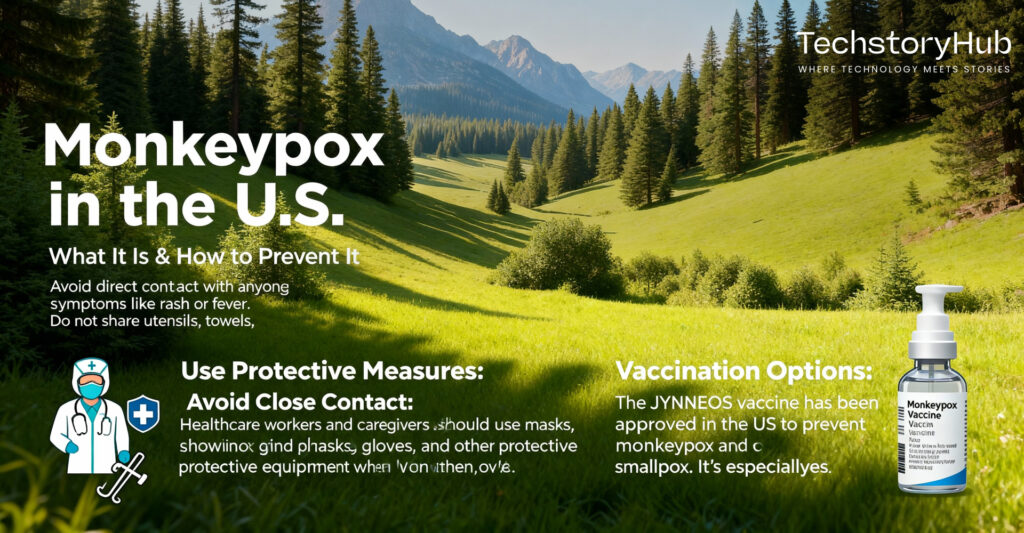
Avoid direct contact with anyone showing symptoms like rash or fever. Do not share utensils, towels, or bedding with others.
Use Protective Measures
Healthcare workers and caregivers should use masks, gloves, and other protective equipment when caring for patients with monkeypox.
Vaccination Options
The JYNNEOS vaccine has been approved in the US to prevent monkeypox and smallpox. It’s especially recommended for people at higher risk, such as healthcare workers or those exposed to confirmed cases.
CDC Monkeypox Prevention Guide
Monkeypox Situation in the United States
Recent Cases and Monitoring
According to the Centers for Disease Control and Prevention (CDC), cases of monkeypox in the US have been decreasing since 2023, but health experts continue to monitor new outbreaks.
Who Is Most at Risk?
People with weakened immune systems, close physical contact with infected individuals, and those living in shared environments are at a higher risk.
Image suggestion: Health worker writing patient notes
Alt text: US healthcare worker monitoring monkeypox cases
What To Do If You Think You Have Monkeypox
Isolate and Seek Medical Care
If you notice a rash or symptoms, isolate yourself immediately and contact a healthcare provider. Avoid close contact with others and cover the rash when possible.
Follow Doctor’s Advice
Your doctor may recommend rest, fluids, and medications for relief. In some cases, antiviral treatments may be available.
Find local healthcare providers
FAQs About Monkeypox
Q1: Can monkeypox spread through air like COVID-19?
No. Monkeypox spreads mainly through close physical contact, not through airborne transmission.
Q2: Is monkeypox deadly?
Most cases are mild, and people recover within 2–4 weeks. Severe cases are rare, especially with proper care.
Q3: Who should get vaccinated?
The vaccine is mainly recommended for people at high risk or exposed to a confirmed case.
Q4: Can I get monkeypox from animals?
Yes, though rare. It can spread from infected animals like rodents or primates through bites or contact with bodily fluids.
Conclusion
Monkeypox is preventable with the right information and care. By practicing good hygiene, avoiding close contact with infected individuals, and staying informed about vaccination, you can reduce your risk. Stay updated through trusted health sources and contact your doctor if you develop symptoms.
Stay safe and informed — follow the latest monkeypox updates from the CDC.
Health and Safety Tips
Vaccination Guide for US Residents
CDC Monkeypox Overview
WHO Monkeypox Information
US Government Health Updates